Pricing & Value Analysis
Understanding fitness equipment costs, finding value at every price point, and making smart investment decisions
Fitness Equipment Pricing Guide
Understanding fitness equipment pricing helps you make informed purchasing decisions and identify genuine value across all budget levels. Equipment costs vary dramatically based on quality, durability, brand reputation, and intended use—but higher price doesn't always mean better value.
Our pricing analysis examines equipment across multiple cost categories, identifying top performers at every price point. Whether you're building a home gym on a modest budget or investing in commercial-grade systems for a fitness facility, we help you understand what your money actually buys and where real value exists.
Price per pound, durability ratings, warranty coverage, and long-term maintenance costs all factor into true equipment value. We've analyzed pricing across major equipment categories to help you allocate your budget where it matters most for your specific fitness needs.
Rather than recommending only the most expensive options, we identify the best value combinations—equipment that delivers excellent performance without unnecessary premium pricing. This approach helps you maximize your fitness investment regardless of your overall budget.
Equipment Price Ranges by Category
Understanding typical costs and value at different investment levels

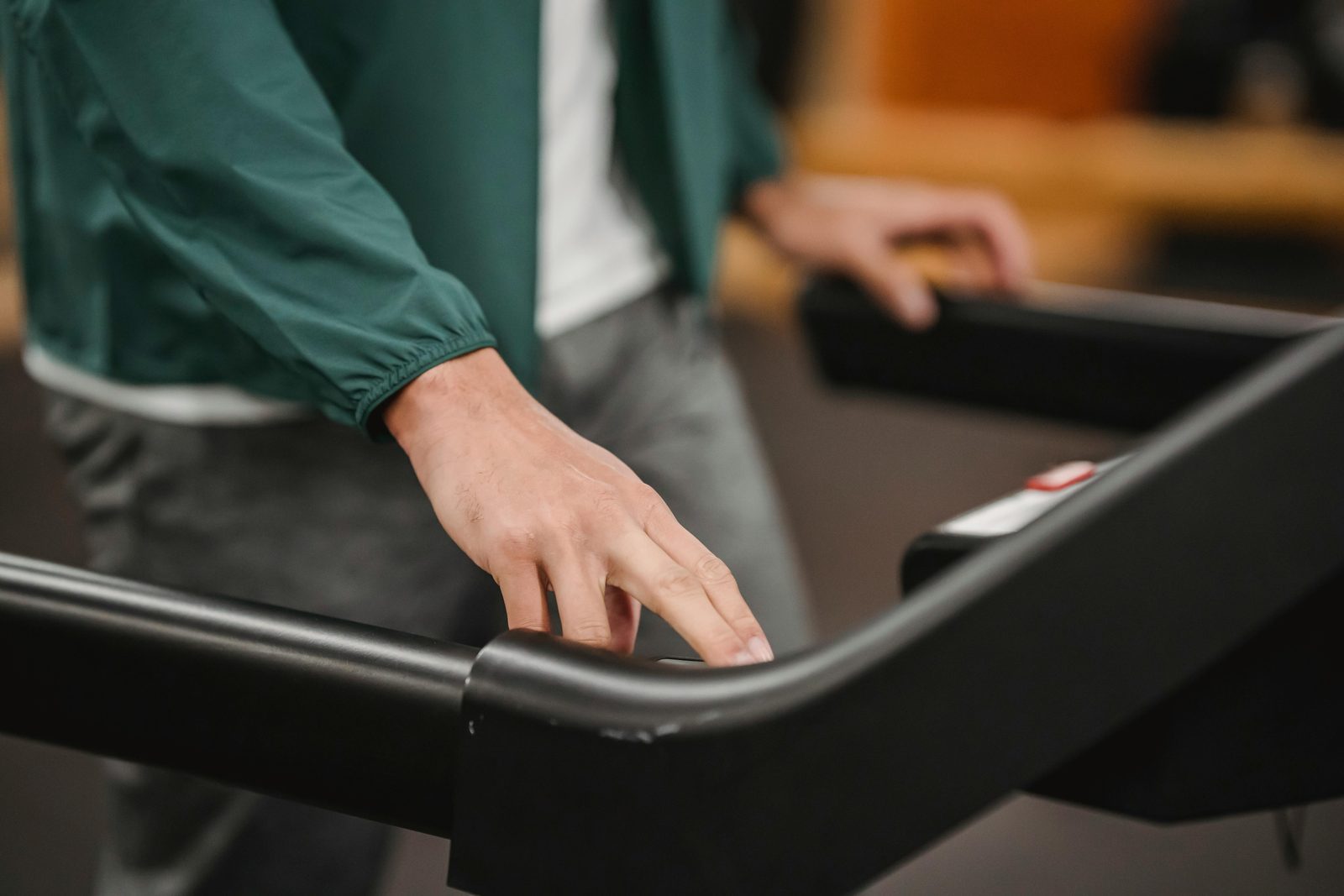
Treadmill Pricing
Budget models offer basic functionality while premium and commercial systems provide enhanced durability, smoother operation, and extensive warranty coverage. Your actual needs determine where in this range offers best value.
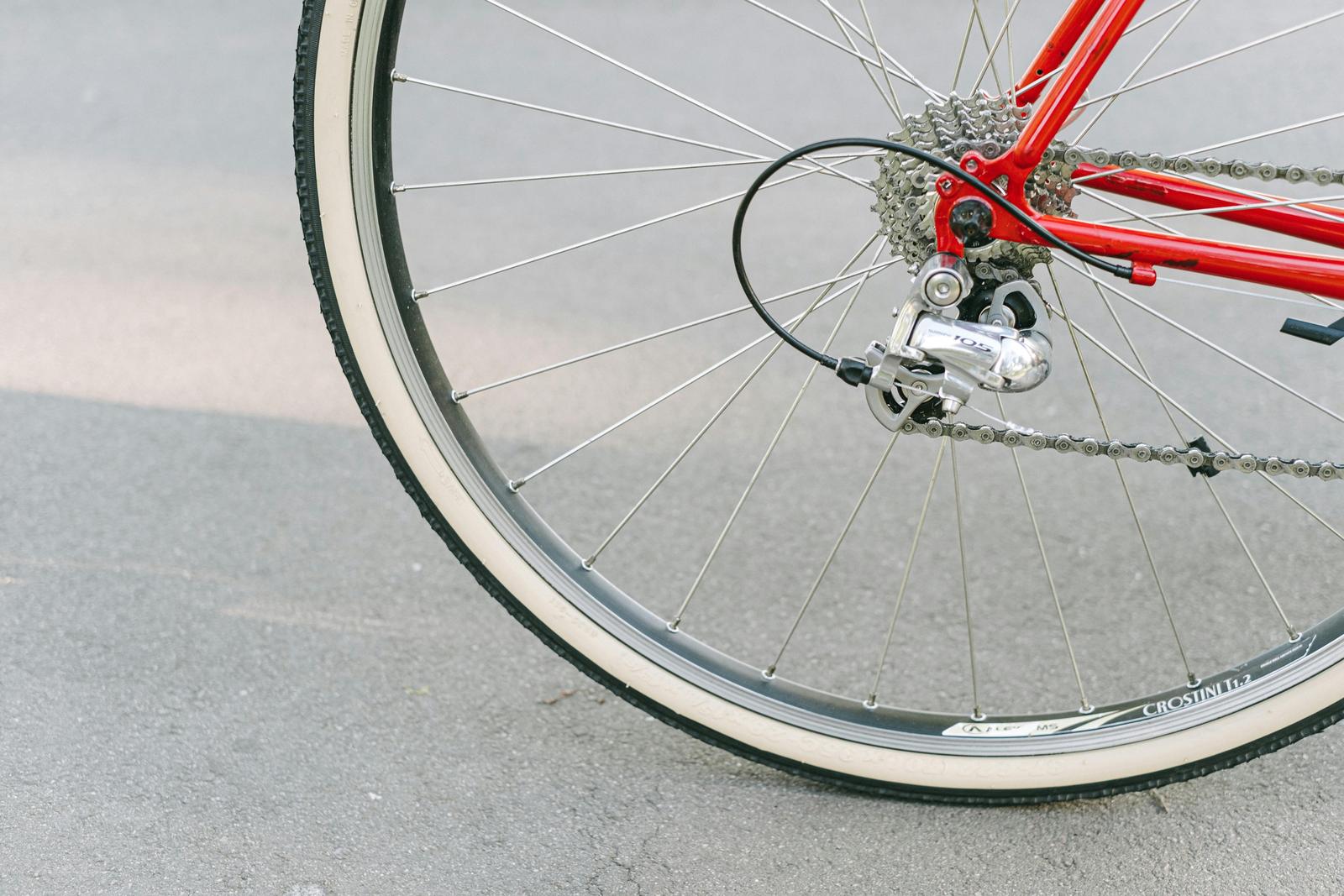
Spin Bike Pricing
Quality spin bikes provide smooth resistance and durable construction. Premium options deliver studio-quality experience while commercial systems handle intensive daily use in fitness facilities.

Strength Equipment Pricing
Strength equipment value centers on durability and price-per-pound comparisons. Commercial-grade systems cost more upfront but justify investment through superior durability under constant use.
Understanding Total Cost of Ownership
Equipment purchase price represents only part of your actual equipment investment. Long-term costs including maintenance, repairs, warranty coverage, and replacement parts significantly impact your true equipment expense.
Many buyers focus exclusively on upfront purchase price while ignoring total cost considerations. Quality equipment with excellent warranty coverage often delivers superior long-term value despite higher initial investment. Budget equipment might seem cost-effective initially but frequently requires expensive repairs or early replacement.
Our analysis examines total cost of ownership including warranty terms, typical service intervals, expected maintenance costs, and replacement component pricing. This comprehensive approach reveals which equipment options deliver genuine value over the equipment lifespan.
Commercial-grade equipment typically costs more upfront but handles intensive use without degradation. Residential equipment in commercial settings fails prematurely, creating expensive downtime and replacement cycles. Understanding how you'll actually use equipment drives true value assessment.
Budget-Friendly Equipment Options
Quality equipment solutions at every price point
Home Gym Starter
- Adjustable dumbbells or dumbbell set
- Weight bench with adjustable angles
- Pull-up bar or suspension trainer
- Yoga mat and resistance bands
- Floor space: 100 sq ft minimum
Moderate Home Setup
- Treadmill or exercise bike
- Weight rack with barbell and plates
- Weight bench or power rack
- Dumbbells (full range)
- Strength and cardio combination
Complete Home Gym
- Treadmill and stationary bike
- Complete strength training system
- Power rack and benches
- Full dumbbell range
- Premium equipment with warranty
Small Studio Setup
- Multiple treadmills and bikes
- Strength training equipment
- Cardio and resistance combination
- Commercial-grade options
- 10-15 member capacity
Full Fitness Center
- Complete cardio selection
- Full strength training systems
- Functional training area
- Professional monitoring systems
- 50+ member capacity
Enterprise Facility
- Unlimited equipment variety
- Boutique studio integration
- Advanced training systems
- Premium member experience
- 200+ member capacity
Finding Value in Equipment Pricing
Equipment value depends on multiple factors beyond simple purchase price. Understanding what truly drives value helps you allocate your budget effectively and invest in equipment that delivers lasting performance.
Key Value Considerations
Durability: Commercial-grade construction justifies higher cost through extended equipment lifespan. Equipment that fails prematurely creates hidden replacement costs that quickly exceed any initial savings.
Warranty Coverage: Comprehensive warranties protect your investment and reduce long-term maintenance costs. Equipment with limited warranties frequently requires expensive out-of-warranty repairs.
Maintenance Requirements: Some equipment requires extensive maintenance while others operate reliably with minimal service. Low-maintenance equipment delivers better value despite higher initial investment.
Resale Value: Premium brands maintain resale value while budget equipment depreciates rapidly. This consideration matters if you eventually upgrade or change facilities.
Financing Your Equipment Investment
Upfront Purchase
Direct purchase eliminates financing costs and provides equipment ownership from day one. This approach works well for smaller investments where financing fees outweigh benefits.
Best for: Home gyms and smaller facility upgrades where total cost remains manageable.
Leasing Options
Equipment leasing spreads costs across months or years while providing maintenance and support. Leasing works well for facilities that upgrade equipment regularly or want flexibility.
Best for: Commercial facilities with changing equipment needs or frequent technology upgrades.
Business Financing
Equipment financing allows larger facility investments to be paid over time. Business loans enable facility expansion while managing cash flow more effectively.
Best for: Growing fitness facilities and commercial gym expansions requiring significant capital investment.
Equipment Price Comparison Matrix
How major brands compare across price and quality dimensions
Equipment pricing varies dramatically across brands and quality levels. Our analysis helps you understand what separates budget, mid-range, and premium options—and whether higher cost delivers better actual value for your needs.
Budget Equipment ($)
Budget equipment offers basic functionality at lowest cost. These options work well for casual fitness enthusiasts or buyers testing equipment before bigger investment. Performance is adequate but durability and advanced features are limited.
Best for: Home gyms on tight budgets, trying new equipment types, casual fitness routines.
Pros: Lowest cost, adequate for basic training, good for testing compatibility
Cons: Limited durability, minimal warranty, less comfortable experience, higher failure rates
Mid-Range Equipment ($$)
Mid-range equipment balances cost and quality, offering solid performance and reasonable durability at moderate pricing. This range contains most home and small facility purchases because value-to-cost ratio peaks here.
Best for: Serious home gyms, small commercial facilities, buyers wanting quality without premium cost
Pros: Good value, solid durability, reasonable warranty, enhanced comfort
Cons: Not as durable as premium, limited advanced features
Premium Equipment ($$$)
Premium equipment delivers superior construction, enhanced features, and excellent durability. This category justifies higher cost through extended lifespan, minimal maintenance, and superior user experience for serious athletes.
Best for: Serious athletes, commercial facilities, buyers planning 10+ year use, professional trainers
Pros: Excellent durability, comprehensive warranty, premium features, exceptional performance
Cons: Highest cost, may include unnecessary features, diminishing returns for casual use
Commercial-Grade Equipment ($$$$)
Commercial equipment handles intensive daily use in fitness facilities. Higher cost reflects specialized construction required for continuous operation across 100+ member usage. This category is essential investment for facilities, wasteful for home use.
Best for: Fitness facilities, high-traffic home gyms, professional training centers, corporate gyms
Pros: Maximum durability, facility-grade warranty, handles constant use, excellent performance consistency
Cons: Highest cost, potentially over-built for home use
Smart Equipment Investment Strategies
How to maximize value and avoid common pricing mistakes
Calculate Total Cost of Ownership
Include purchase price, warranty, maintenance, repairs, and expected lifespan when evaluating equipment value. Lower upfront cost often creates higher total costs.
Match Equipment Grade to Usage
Use commercial equipment only in commercial settings. Home users rarely need facility-grade systems. Conversely, residential equipment fails quickly in facility environments.
Compare Warranty Coverage
Equipment warranty terms vary dramatically. Premium warranty coverage reduces maintenance costs and protects your investment through the entire equipment lifespan.
Research Brand Reputation
Established brands with strong reputations deliver better support and more readily available parts. Lesser-known brands sometimes disappear, leaving owners without service options.
Evaluate Maintenance Requirements
Some equipment needs regular professional service while others operates reliably with minimal care. Low-maintenance equipment delivers better long-term value.
Consider Resale Value
Premium brands retain resale value while budget equipment depreciates rapidly. Resale value matters if you upgrade or change facilities later.
Get Professional Pricing Guidance for Your Situation
Prices move with brand, model year and season. Send us your setup and budget and we'll tell you which of our guides apply, then get written quotes from two or three retailers before you buy.
Send Us a Pricing Question