Fitness Equipment Resources
Comprehensive Guides and Educational Materials for Maine Fitness Enthusiasts
Essential Fitness Equipment Knowledge
Whether you're establishing a home gym, running a commercial fitness facility, or simply exploring your fitness options, understanding equipment basics is essential. Our resource collection provides comprehensive information about equipment selection, maintenance, safety protocols, and industry best practices. We've compiled guides based on extensive research and input from Maine's leading fitness professionals and equipment specialists.
Investing in fitness equipment is a significant decision for both individuals and business owners. Making informed choices requires understanding equipment quality, durability, manufacturer reputation, and value for investment. Our guides help you evaluate these factors systematically.
Resource Categories
Find the information you need to make smart fitness equipment decisions
Equipment Selection Guides
Comprehensive guides for evaluating and selecting the right equipment for your needs. Covers cardio machines, strength training equipment, flexibility tools, and specialty fitness devices. Includes cost analysis, durability assessment, and feature comparison frameworks.
Maintenance and Care
Proper maintenance extends equipment life and ensures safety. Our guides detail cleaning protocols, lubrication schedules, wear part replacement, and troubleshooting common issues. Learn from Maine's experienced equipment service technicians about preventive maintenance practices.
Fitness Industry Education
Educational materials covering industry standards, certification programs, facility management best practices, and fitness technology trends. Resources help gym owners, trainers, and fitness enthusiasts stay current with industry developments and professional opportunities.
Home Gym Setup Guide
Creating an effective home gym has become increasingly popular in Maine. Whether you're establishing a basic workout space or investing in comprehensive home fitness facilities, strategic planning ensures you select equipment that matches your fitness goals, available space, and budget. Our home gym guide walks you through the decision-making process systematically.
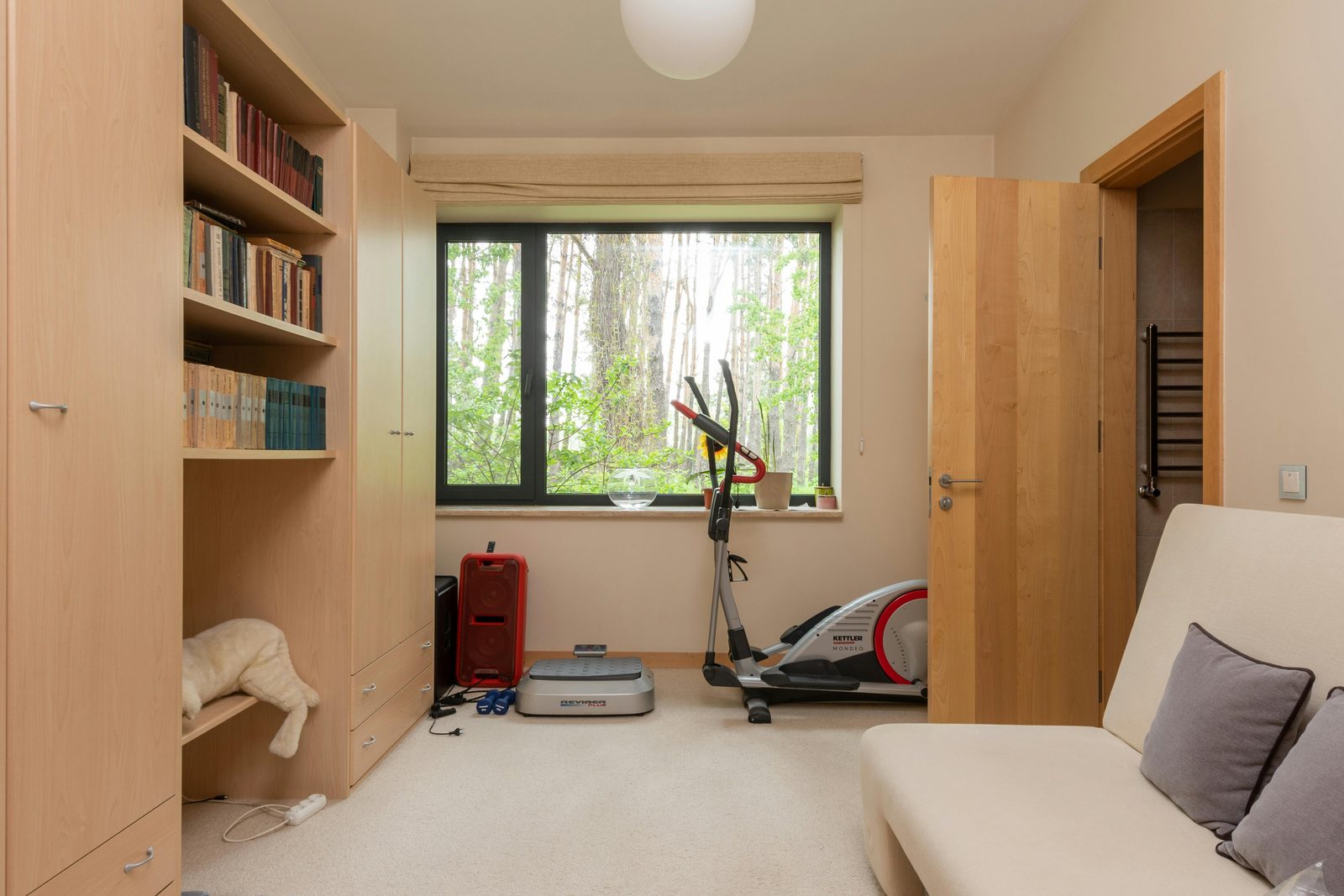
Starting Your Home Fitness Journey
The foundation of a successful home gym involves assessing your fitness interests and realistic space availability. Maine's homes vary significantly in available space, from large basements in older properties to compact apartments. Our guide helps you honestly evaluate both your commitment level and practical constraints.
Essential equipment for home fitness varies based on your focus. Cardio enthusiasts prioritize treadmills, stationary bikes, or ellipticals. Strength trainers invest in dumbbells, barbells, and benches. Yoga and flexibility-focused individuals need mats, blocks, and straps. Multi-purpose home gyms balance several equipment types within space and budget constraints.
Readers weighing an Inspire spin bike for the house often ask whether the cardio earns the floor space. The answer starts with how often you will really ride, and we suggest weighing the health benefits alongside your own doctor's advice.
Quality matters more than quantity when building a home gym. One excellent piece of equipment you'll use consistently delivers better results than multiple mediocre pieces gathering dust. Our guide helps you identify quality indicators and avoid common mistakes that lead to unused equipment and wasted investment.
Equipment Progression Strategy
Smart home gym owners build their equipment collection strategically over time. Starting with core pieces that support your primary fitness interests, then gradually adding complementary equipment as budget and space allow, creates a sustainable approach. This progression strategy prevents overwhelming purchases and allows you to develop true commitment before significant investment.
Commercial Fitness Facility Equipment Planning
Establishing or upgrading a commercial fitness facility requires comprehensive equipment strategy. Facility size, target member demographics, membership pricing model, and available space all influence equipment selection. Maine gym operators face unique considerations related to climate, member preferences, and regional fitness trends.
Commercial equipment differs from home fitness equipment in durability expectations, warranty structures, and operational requirements. Professional-grade machines must withstand heavy daily use, accommodate diverse user sizes and fitness levels, and maintain safety standards. Our commercial planning guide helps facility owners evaluate equipment manufacturers, compare brands, and make investment decisions that support business profitability.
Commercial Equipment Selection Criteria
When evaluating commercial fitness equipment, consider these critical factors: warranty and service support availability, expected usage intensity, maintenance requirements, member safety features, and equipment durability ratings. Equipment that works well for home use may fail quickly in a commercial environment, making professional-grade specifications essential.
Maine gym operators benefit from connecting with equipment distributors who understand commercial facility requirements. These specialists help facility owners right-size their equipment investment, select machines that align with membership demographics, and establish maintenance protocols that extend equipment lifespan. Local distributors provide faster service response and personalized support compared to national suppliers.

Equipment Maintenance and Longevity
Proper maintenance represents one of the most cost-effective investments in fitness equipment. Regular cleaning, scheduled maintenance, timely repairs, and appropriate part replacement extend equipment life significantly. Equipment that receives consistent care maintains better performance, feels better during workouts, and requires fewer emergency repairs than neglected machines.
Different equipment types require specific maintenance approaches. Cardio machines need regular motor checks, belt adjustments, and electronic component inspections. Free weights benefit from rust prevention and proper storage. Strength training machines require cable tension assessment and wear part monitoring. Our detailed maintenance guides provide equipment-specific information developed through consultation with Maine service technicians.
Developing consistent maintenance habits when equipment is new prevents major problems later. Simple tasks like wiping moisture from machines after use, checking for unusual sounds or performance changes, and maintaining clean equipment areas prevent costly repairs. Commercial facilities benefit from establishing formal maintenance schedules with responsible staff assignments and documented completion tracking.
Professional Resources and Industry Organizations
The fitness industry benefits from strong professional organizations that establish standards, provide education, and support industry professionals. These resources help gym owners, personal trainers, facility managers, and fitness enthusiasts stay current with best practices and industry developments.
Leveraging Professional Resources
Whether you're a gym owner, personal trainer, or fitness enthusiast, professional organizations offer valuable benefits. Gym owners gain access to facility management resources, industry statistics, and networking opportunities. Personal trainers pursue certifications and continuing education to expand expertise. Fitness enthusiasts learn about science-backed training methods and safety protocols.
These professional organizations also advocate for industry interests and establish standards that protect consumers. When selecting equipment, trainers, or facilities, knowing that businesses maintain professional standards and certifications provides confidence in quality and safety.
Equipment Manufacturer Resources
Major fitness equipment manufacturers provide extensive resources for commercial facilities and individual consumers. Manufacturer websites typically include detailed equipment specifications, installation guides, maintenance manuals, video demonstrations, and customer support contacts. Taking time to explore manufacturer resources helps you understand your equipment better and troubleshoot issues effectively.
Many equipment manufacturers offer educational webinars, equipment training for gym staff, and updates about new features or improvements. These resources help commercial facility owners maximize their equipment investment and provide better member experiences. Home fitness enthusiasts benefit from learning proper form, safety precautions, and advanced programming strategies from manufacturer educational materials.
Manufacturer warranty information, customer support phone numbers, and online portals for parts ordering simplify equipment maintenance. Keeping manufacturer documentation organized and readily accessible ensures you can quickly access information when questions arise or maintenance is needed.
Spec sheets tell you how a bike is built, not why to ride it. If you are comparing a Precor spin bike with the brands a local dealer stocks, ask the dealer to talk through the health side of indoor cycling as well as the spec sheet.
Educational Resources for Fitness Professionals
Personal trainers, gym managers, and fitness program directors continually update their knowledge through professional development. Online certifications, continuing education courses, workshops, and industry conferences provide opportunities to expand expertise and stay current with fitness science advancements.
Maine's fitness professionals benefit from accessing both national and regional educational opportunities. Video platforms offer training tutorials on equipment use, proper form instruction, and client motivation strategies. Textbooks and published research provide science-based information about training principles, nutrition, and fitness programming. Professional organizations offer structured certification and continuing education programs recognized throughout the fitness industry.
Investing in professional development increases your credibility and effectiveness. Clients trust trainers and facility managers who demonstrate current knowledge about fitness science, proper equipment use, and individualized program design. Continuous learning represents a professional commitment that distinguishes quality fitness businesses in Maine's competitive market.
Your Fitness Equipment Resource Hub
Business Quality Review's resource collection brings together comprehensive information about fitness equipment, industry standards, professional development, and Maine-specific considerations. Whether you're starting your fitness journey, managing a commercial facility, or developing professional expertise, these resources provide information to support your goals.
We regularly update our resource collection based on industry developments, reader feedback, and new research. Return frequently to discover fresh guides, updated equipment comparisons, and new professional development resources. Our commitment to providing accurate, practical information helps Maine residents make informed fitness equipment decisions.